
Kazuo Tsuda
(In Memory of Kazuo Tsuda, Founder of Movement for Language and Culture)
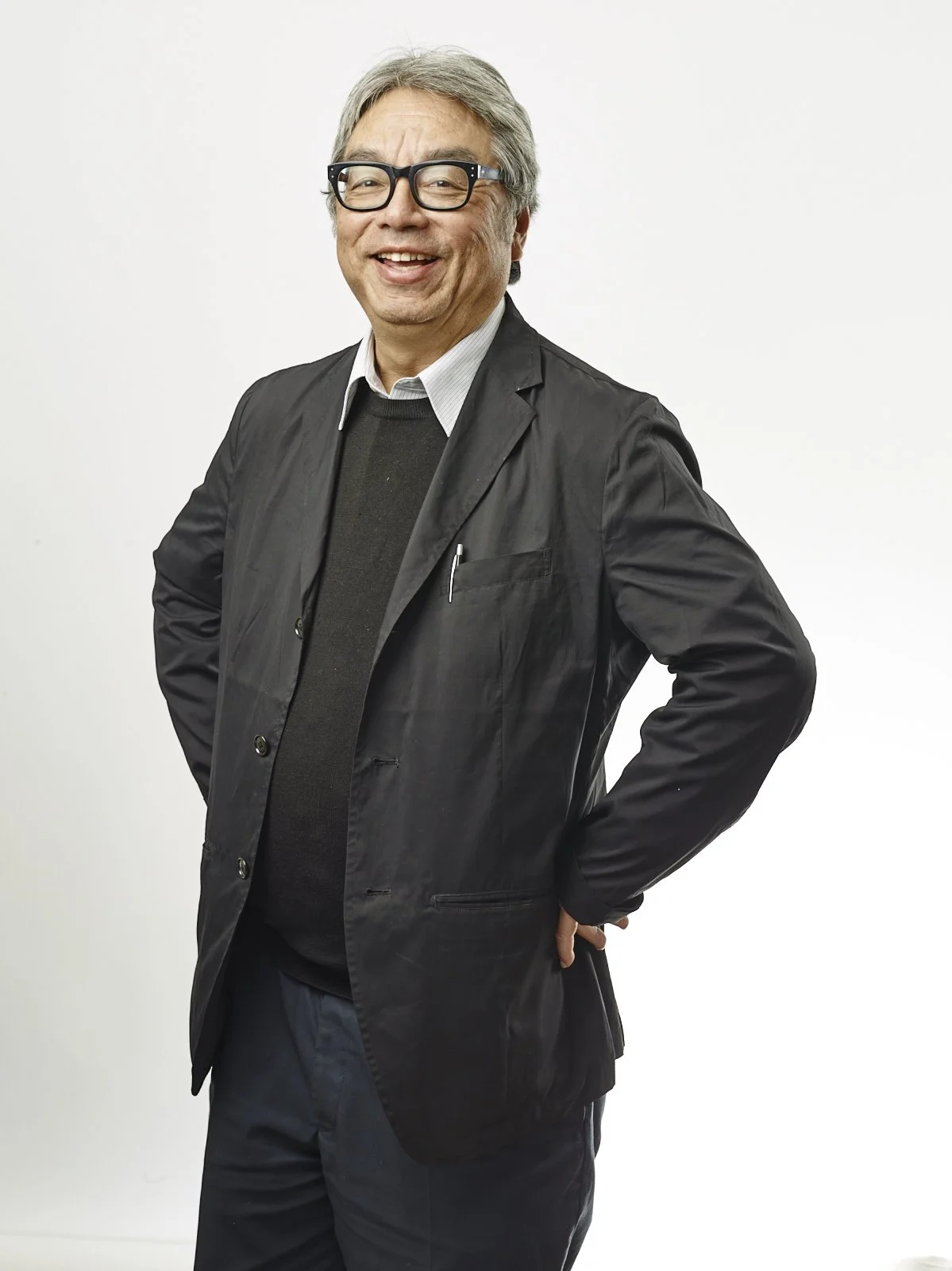
A Leader in Japanese Language Education
For more than 30 years, Tsuda-sensei served as a central figure in the Northeast Council of Teachers of Japanese (NECTJ), leading the organization while teaching at the United Nations International School (UNIS). Beginning in 1992, he played an instrumental role in expanding Japanese language education at the secondary level, supporting teachers across the region, and connecting local programs to national initiatives.
His leadership extended well beyond the Northeast. Tsuda-sensei contributed to national efforts involving SAT II, Advanced Placement, ACTFL, and International Baccalaureate programs, helping strengthen standards and elevate Japanese as a world language in the United States.
In 2022, his decades of service were honored with the AATJ Lifetime Achievement Award, recognizing his profound and lasting contributions to the profession.
Dedication, Curriculum, and Community
Tsuda-sensei believed deeply that teachers must stay connected to the world beyond their classrooms. Over his career, he established several nonprofit organizations to develop and publish original teaching materials, including the widely used Kisetsu textbook series—Haru Ichiban, Ginga, and Akimatsuri—as well as accompanying workbooks, kanji resources, and a mobile app. His publications became foundational tools for Japanese programs throughout the region, known for their cultural depth and classroom practicality.
He also championed inclusive and socially responsive education. As student populations became more diverse and globally mobile, he emphasized differentiated instruction, cultural responsiveness, and interdisciplinary approaches. His work connected diverse issues such as rural depopulation in Japan, heritage language maintenance, teacher professionalization, and refugee inclusion—reflecting his belief that language education must serve as a bridge across communities and global challenges.
A Life Shaped by Global Perspective
Born into a family whose history crossed borders, Tsuda-sensei grew up immersed in stories of migration, resistance, and cultural exchange. Influences from leading thinkers such as Tsuru Mizuko and Hannah Arendt shaped his view of education as an ongoing act of inquiry, expression, and engagement with the world.
His personal encounters—ranging from early volunteer teaching in New York, to meetings with global figures such as Sadako Ogata, to deep mentorships with scholars—further enriched his philosophy of education as a humanistic and socially conscious practice.
Legacy and the Birth of MLC
Movement for Language and Culture (MLC) was founded in 2009, emerging from Tsuda-sensei’s long-held belief that language learning must be rooted in cultural understanding, community, and global awareness. Before its official formation, he had already been mentoring teachers, developing curriculum, organizing communities, and promoting international exchange for many years. MLC became the formal expression of this lifelong work.
From 2009 until his passing in February 2025, Tsuda-sensei continued to guide the mission and direction of MLC. His vision—to nurture global citizenship, to support educators and learners, and to create spaces where language and culture connect—remains at the core of all MLC programs, from textbook development to multilingual haiku contests to international cultural exchange.
Continuing His Vision
Tsuda-sensei’s legacy lives on in the countless students, teachers, and communities he inspired. Movement for Language and Culture is honored to carry forward his mission through:
the development of culturally grounded educational materials
support for teacher learning and professional growth
multilingual and multicultural student programs
international partnerships and cultural exchange initiatives
a commitment to global citizenship and inclusive education
His life’s work reminds us that education is not simply the transmission of knowledge, but a human endeavor that connects individuals, cultures, and generations. MLC remains dedicated to preserving and expanding the vision he created: a movement where language and culture foster understanding, creativity, and a more humane world.