

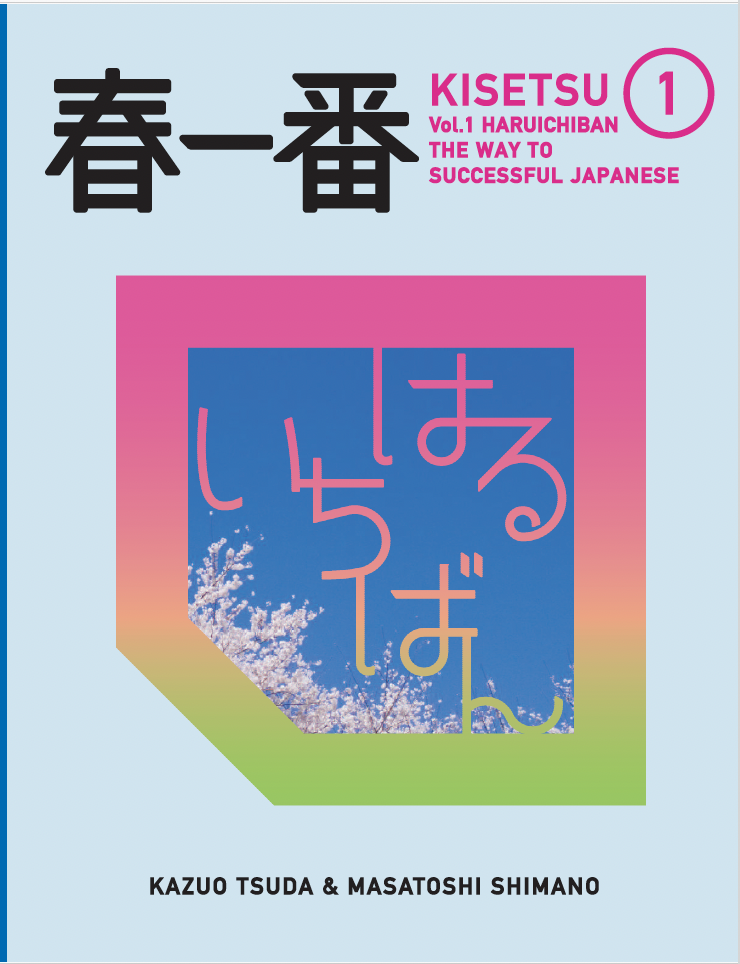
About Haruichiban |『春一番』について
Haru Ichiban is a beginner-level Japanese textbook that emphasizes meaningful communication and intercultural understanding through real-life situations and purposeful tasks. One distinctive feature is its approach to literacy: rather than following the conventional sequence of hiragana first and katakana second, learners begin with katakana and then move into hiragana. Because many katakana forms and loanwords offer familiar entry points for English-speaking learners, this approach was developed in response to the common difficulty students have retaining katakana when it is introduced later. Throughout the book, students develop listening, speaking, reading, and writing skills through practical themes such as encounters, decision-making, identity, daily life, and collaborative event planning.
『春一番』は、初級学習者が実際の場面で日本語を使いながら、コミュニケーション力と異文化理解を育てることを重視した教材です。特徴の一つは、従来の「ひらがなからカタカナへ」という学習順序を逆にし、英語話者にとって形や語彙の面で親しみやすいカタカナから文字学習を始め、その後ひらがなへ進むことです。カタカナの定着が弱くなりやすいという従来の学習上の課題を踏まえて生まれたアプローチです。各章では、言語知識を学ぶだけでなく、出会い、意思決定、自己理解、イベントの企画などの実践的な課題を通して、「聞く・話す・読む・書く」の力を総合的に育てます。
『春一番』の各教材をダウンロード・利用できます。
You can download and use the materials for Haruichiban here.

Getting Started
This introductory section builds the foundation for learning Japanese. Students practice a range of greetings and related body language, learn to express time, dates, days of the week, and numbers, and begin building relationships with their teacher and classmates. They also develop listening strategies such as guessing, observing, monitoring, and predicting, while beginning to recognize katakana characters.
日本語学習の基礎をつくる導入セクションです。さまざまな挨拶とそれに伴う身体表現、時間・日付・曜日、数字などを学びながら、教師やクラスメートとの関係を築きます。また、予測する、観察する、確認するなどのリスニング・ストラテジーを身につけ、カタカナの文字認識にも取り組みます。
Chapter 1 — Encounter / 出会い
Centered on the theme of encounter (deai), Chapter 1 introduces students to exchanging basic personal information and navigating first meetings in Japanese. Learners practice strategies for confirming and clarifying information and using contextual guessing to sustain communication. The chapter also connects language with culture through topics such as New Year’s cards, the Japanese school system, New Year traditions, and the zodiac.
「出会い」をテーマに、初対面での自己紹介や基本的な個人情報の交換を学びます。相手の発言を繰り返して確認したり、推測を使ってコミュニケーションを続けたりするなど、実際の会話に必要なストラテジーを身につけます。年賀状、日本の学校制度、お正月、干支などにも触れ、言語と文化を結びつけて学びます。
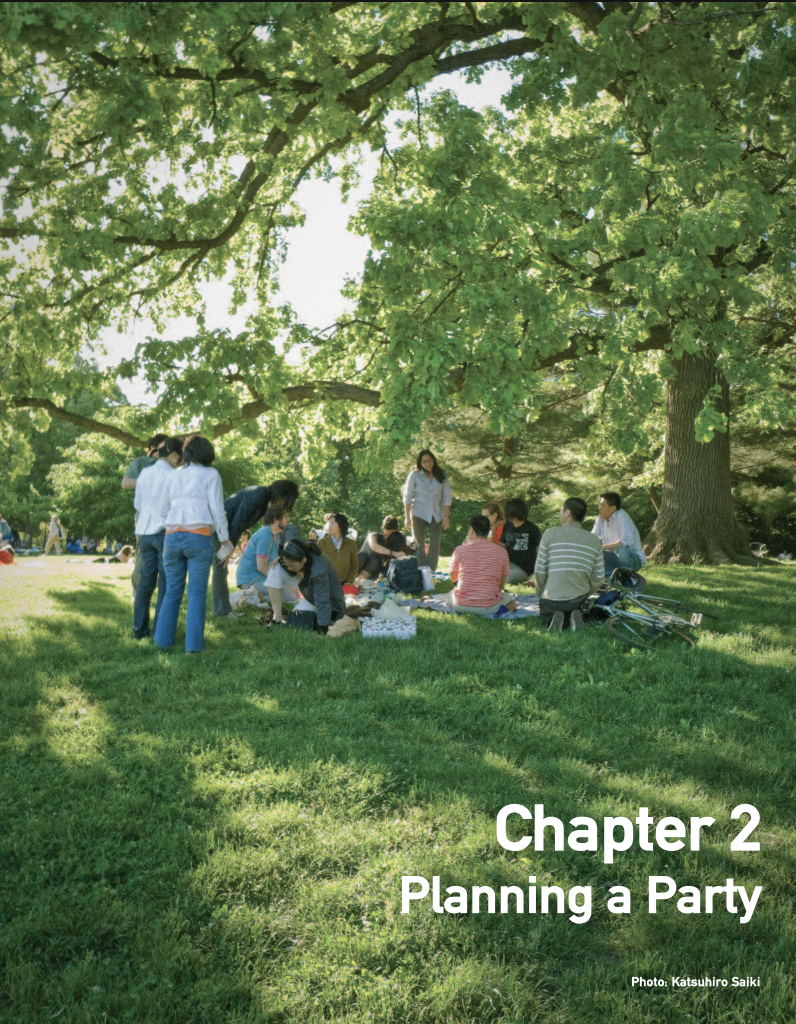
Chapter 2 — Decision-Making / 意思決定
Chapter 2 focuses on using Japanese for collaborative decision-making. Through class meetings and the planning of school and teen activities, students learn how to ask questions, compare options, make requests, chair discussions, and reach decisions together. They also explore differences between Japanese and American approaches to decision-making, developing greater awareness of how culture can shape communication.
クラス会議や学校活動の計画を通して、他者と協力して意思決定するための日本語を学びます。意見を聞く、比較する、依頼する、話し合いを進行するなどの表現を使いながら、実際の課題に取り組みます。また、日本とアメリカの意思決定の方法を比較し、文化によるコミュニケーションの違いについても考えます。

Chapter 3 — Awareness of Self and Others / 自分と他者への気づき
Chapter 3 develops awareness of self and others, encouraging students to consider how they see themselves, how they perceive others, and how others may perceive them. Students expand their ability to talk about identity, family, and personality and apply these skills through renewed encounters, self-introductory speeches, and oral interviews. They also strengthen comprehension-monitoring strategies and begin more systematic study of kanji.
「Awareness(気づき)」をテーマに、自分自身と他者をどのように捉えるかを考えながら、より深い自己紹介や対人コミュニケーションへと発展します。家族、性格、アイデンティティなどについて表現し、再会した相手とのやり取り、自己紹介スピーチ、インタビューなどに取り組みます。また、聞いたり読んだりした内容を確認する力を養い、漢字学習も本格的に始まります。
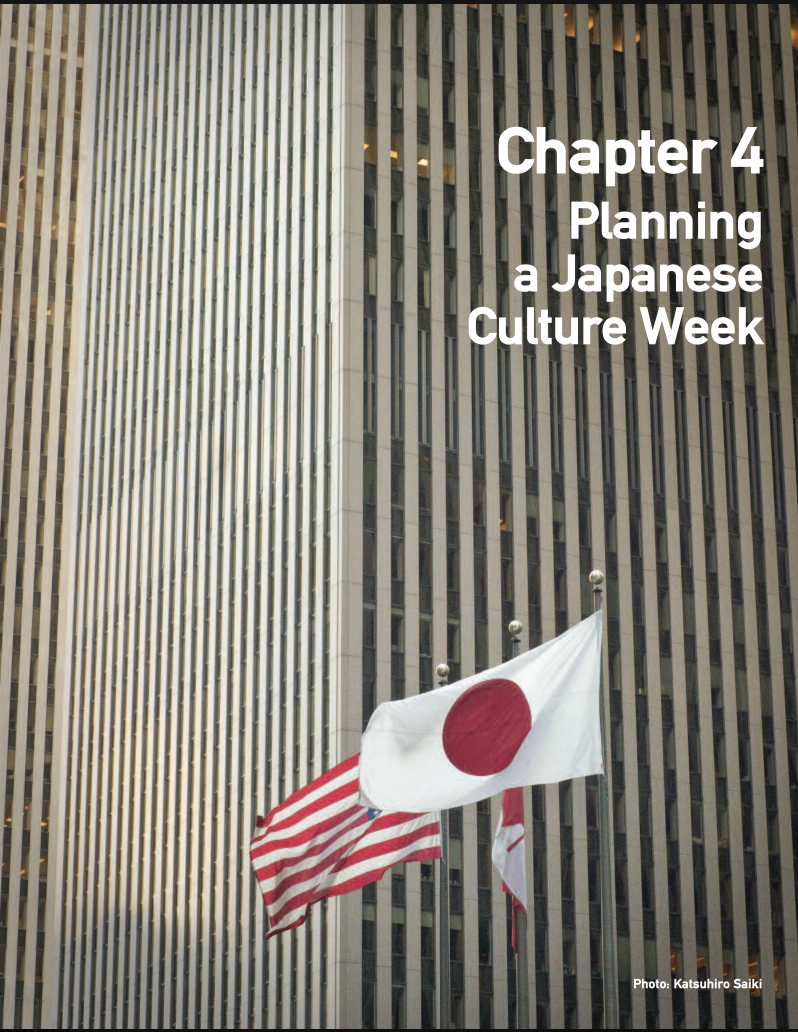
Chapter 4-Daily Life&Japanese Culture Week/日常生活と日本文化週間
Chapter 4 connects Japanese with students’ daily lives as they learn to describe activities and express when, where, and how often actions take place. The chapter culminates in a collaborative project in which students plan a Japanese Culture Week, including scheduling activities, conducting committee meetings, arranging speakers, reserving spaces and equipment, developing budgets and proposals, and creating promotional materials. This task-based approach challenges learners to use Japanese purposefully while collaborating and solving real-world problems.
日常生活を題材に、行動の時間・場所・頻度を表したり、自分の一日の活動を説明したりする力を身につけます。章の中心となるタスクでは、クラスで**「日本文化週間(Japanese Culture Week)」を企画**し、会議、スケジュール作成、講演者の手配、会場予約、予算や企画書の作成、ポスター制作などを日本語を使いながら進めます。学習した日本語を実際の目的のために使い、協働しながら問題を解決する、タスクベースの学習へと発展します。