

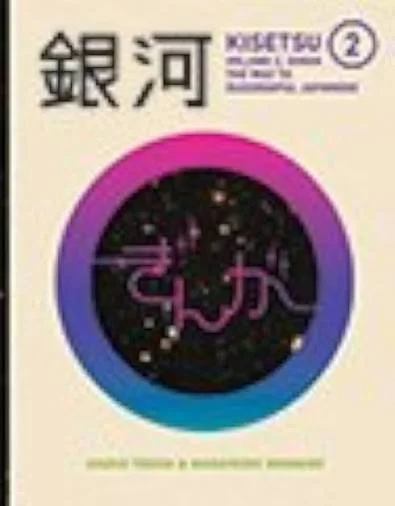
About Ginga |『銀河』について
Ginga is an intermediate-level Japanese textbook that emphasizes authentic communication and project-based learning. Built around the “5Cs”—Communication, Cultures, Connections, Comparisons, and Communities—it integrates speaking, listening, reading, and writing while developing skills such as collaboration, problem-solving, analysis, comparison, and self-reflection. The course is designed to help learners use Japanese meaningfully while becoming more independent and confident language learners.
『銀河』は、実生活に結びついたコミュニケーションとプロジェクト型学習を重視した中級レベルの日本語教材です。Communication, Cultures, Connections, Comparisons, Communities の「5Cs」を基盤に、話す・聞く・読む・書く力を統合的に伸ばしながら、協働、問題解決、比較・分析、自己評価などの学習ストラテジーも育てます。学習者が日本語を実際に使いながら、自律的に学ぶ力を身につけることを目指しています。

Study Ginga Online『銀河』をオンラインで学ぶ
Prefer a guided learning experience? The Ginga Online Course allows students to work through the textbook with structured lessons, practice activities, and guided tasks. It is designed for learners who want to study independently or supplement their classroom learning.
『銀河』を学びたい方のためのオンラインコースです。教科書の内容に沿って、レッスン、練習問題、タスクを進めながら、自分のペースで学習できます。自主学習にも、学校での学習の補助にも利用できます。
Paid Online Course / 有料オンラインコース
[ Start Learning → ]
『銀河』の各教材をダウンロード・利用できます。
You can download and use the materials for Ginga here.
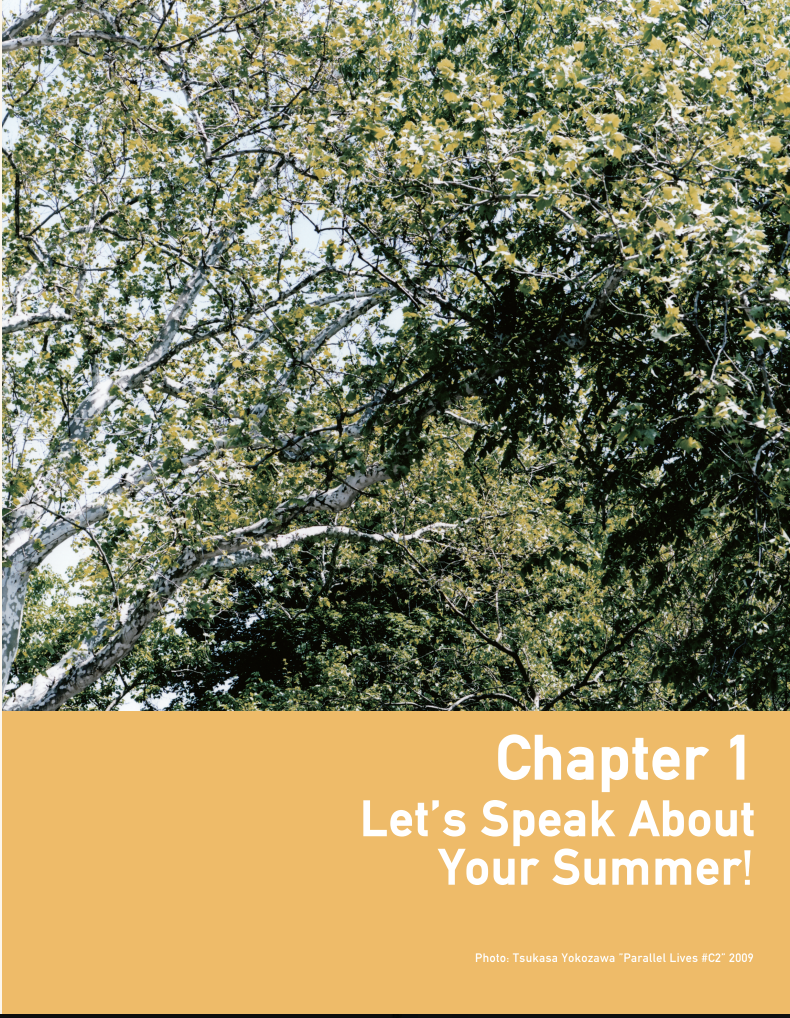
Chapter 1 — Reflection through Speech / スピーチを通した振り返り
Chapter 1 develops reflective learning through the preparation and delivery of a back-to-school speech. Students learn to describe past experiences, talk about their summer, express wishes and desires, organize and practice a speech, give peer feedback, and evaluate their own performance. The chapter emphasizes using Japanese not only to communicate, but also to reflect on one’s learning and growth.
Chapter 1では、新学期をテーマにしたスピーチの準備と発表を通して、これまでの経験を振り返りながら表現する力を育てます。過去の出来事や夏休みの経験、希望や願いを伝える表現を学び、スピーチの構成、練習、相互フィードバック、自己評価までを一連のプロセスとして経験します。日本語を使って自分の学びを振り返ることが、この章の中心です。
Chapter 2 — Student-Led Review / 学習者主体の復習活動
Chapter 2 places students in charge of designing and leading their own Japanese review sessions. Working collaboratively, students select topics and leaders, create questions and activities, give instructions, manage the session, and conduct a final evaluation. Through this project, learners strengthen their Japanese while developing collaboration, leadership, self-direction, and the ability to use the language for a real and purposeful task.
Chapter 2では、これまでに学んだ日本語を振り返りながら、学習者自身が復習セッションを企画・運営するプロジェクトに取り組みます。グループでテーマやリーダーを決め、質問や練習活動を作成し、説明や指示を行いながらセッションを進めます。活動後には振り返りと評価も行い、協働する力、自律的に学ぶ力、そして日本語を実際の目的のために使う力を育てます。
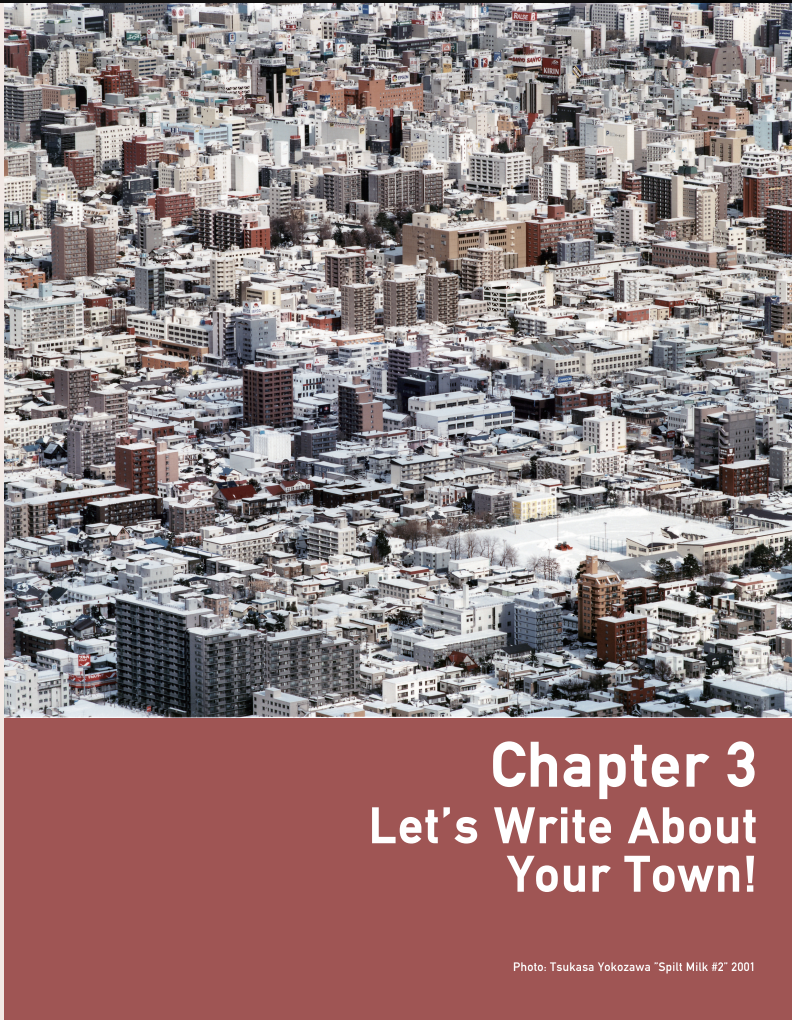
Chapter 3 — My Town / 町と地域
Chapter 3 focuses on describing the environment closest to students—their hometown or local community—while developing the foundations of expository writing in Japanese. Students learn how to organize information into logical, cohesive paragraphs and describe features such as weather, landscape, public facilities, location, quantity, and frequency. Through comparison, measurement, counters, vocabulary development, and kanji study, learners build the language and writing strategies needed to explain information clearly and effectively.
Chapter 3では、自分の身近な環境である町や地域を題材に、日本語での説明的文章(expository writing)の基礎を学びます。天候、景観、公共施設、場所、数量、頻度などについて情報を整理し、論理的でまとまりのあるパラグラフを書く力を身につけます。比較、助数詞、単位、語彙、漢字などの学習を通して、情報をわかりやすく説明するための日本語力とライティング・ストラテジーを育てます。
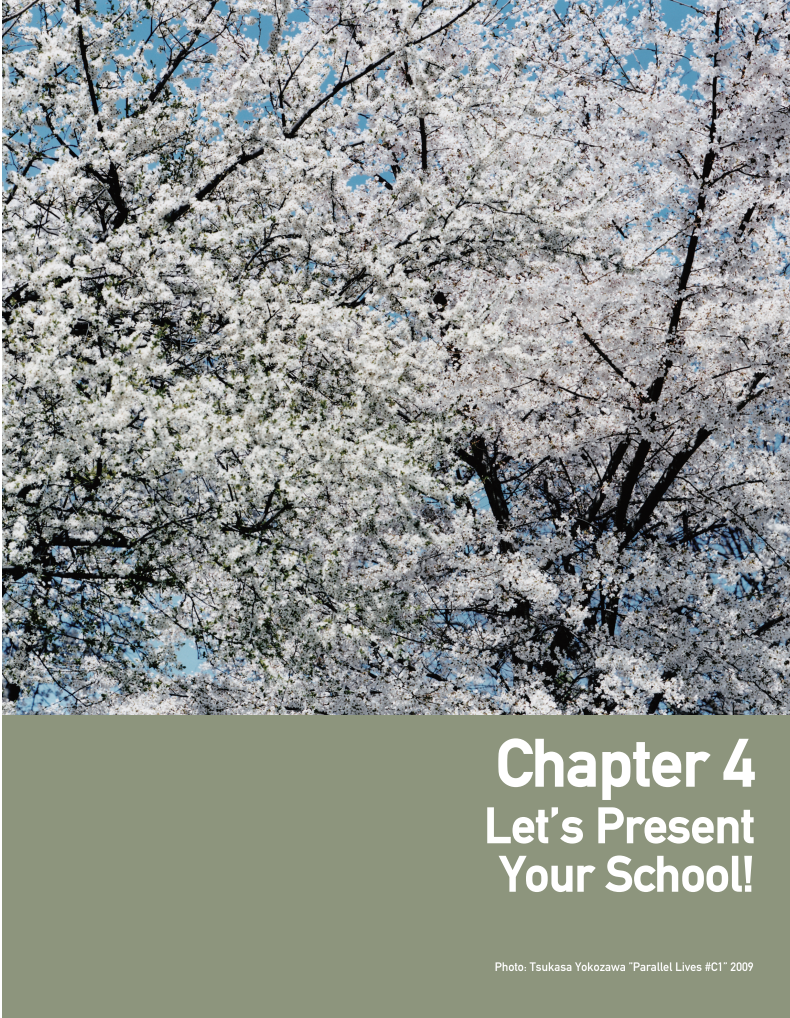
Chapter 4 — My School / 学校という環境
Chapter 4 focuses on presenting the school environment through the creation of a school brochure. A distinctive feature of the chapter is its focus on two different writing styles: expository style, used to present factual information clearly and objectively, and kansōbun style, used to express personal reactions, evaluations, and comments. Students learn to move between objective description and personal perspective as they write about school facilities, uniforms, rules, and other aspects of school life. Through editing, peer discussion, and presentation, they bring these different styles together to communicate their school effectively to an audience.
Chapter 4では、学校紹介のパンフレット制作を通して、自分たちの学校環境を日本語で伝える力を育てます。この章の大きな特徴は、事実や情報を客観的に伝える説明的な文体(Expository Style)と、自分の感想・評価・コメントを表現する感想文の文体(Kansōbun Style)の両方を学び、使い分けることです。学校施設、制服、校則などを説明するだけでなく、自分自身の視点やコメントを加えることで、より多面的に学校を紹介します。編集や話し合い、発表を通して、読み手を意識した情報発信へとつなげていきます。
その他
Chapter 4 focuses on presenting the school environment through the creation of a school brochure. A distinctive feature of the chapter is its focus on two different writing styles: expository style, used to present factual information clearly and objectively, and kansōbun style, used to express personal reactions, evaluations, and comments. Students learn to move between objective description and personal perspective as they write about school facilities, uniforms, rules, and other aspects of school life. Through editing, peer discussion, and presentation, they bring these different styles together to communicate their school effectively to an audience.
Chapter 4では、学校紹介のパンフレット制作を通して、自分たちの学校環境を日本語で伝える力を育てます。この章の大きな特徴は、事実や情報を客観的に伝える説明的な文体(Expository Style)と、自分の感想・評価・コメントを表現する感想文の文体(Kansōbun Style)の両方を学び、使い分けることです。学校施設、制服、校則などを説明するだけでなく、自分自身の視点やコメントを加えることで、より多面的に学校を紹介します。編集や話し合い、発表を通して、読み手を意識した情報発信へとつなげていきます。